
Why Personal Protective Equipment Matters in Modern Workplaces
Industrial environments expose workers to many hazards including mechanical risks, chemical exposure, and airborne particles. Personal Protective Equipment, commonly known as PPE, helps reduce these risks when other safety controls are not enough.
Personal Protective Equipment is considered the last line of defense in the hierarchy of controls, yet it plays a vital role in protecting workers when hazards cannot be fully eliminated. Proper selection, correct use, and consistent compliance with PPE significantly reduce the risk and severity of injuries, making it an essential part of workplace safety.
Organizations across construction, manufacturing, oil and gas, and healthcare sectors depend on PPE to maintain safe operations and protect their workforce.
From Basic Protection to Advanced Safety Solutions
Earlier workplace protection relied mainly on simple helmets, gloves, and protective clothing. Today PPE has evolved with advanced materials and ergonomic designs that improve comfort and durability.
Modern safety equipment now includes impact resistant helmets, anti-fog safety goggles, breathable protective clothing, and smart safety helmets with built in sensors. These innovations help workers remain protected while maintaining productivity during long work shifts.
Industry safety reports from 2026 show that workplaces implementing upgraded PPE programs have reduced accident-related injuries by more than forty percent.
The Importance of Safety Compliance and Training
Providing PPE is only part of workplace protection. Employees must also receive proper training on how to use safety equipment correctly.
Companies that enforce strict safety policies and training programs create a culture of responsibility and awareness. Regular inspections ensure that protective equipment remains in good condition and continues to provide reliable protection.
Global safety authorities such as the Occupational Safety and Health Administration publish detailed guidelines on proper PPE usage to help organizations maintain workplace safety standards.
PPE Supporting Multiple Industrial Sectors
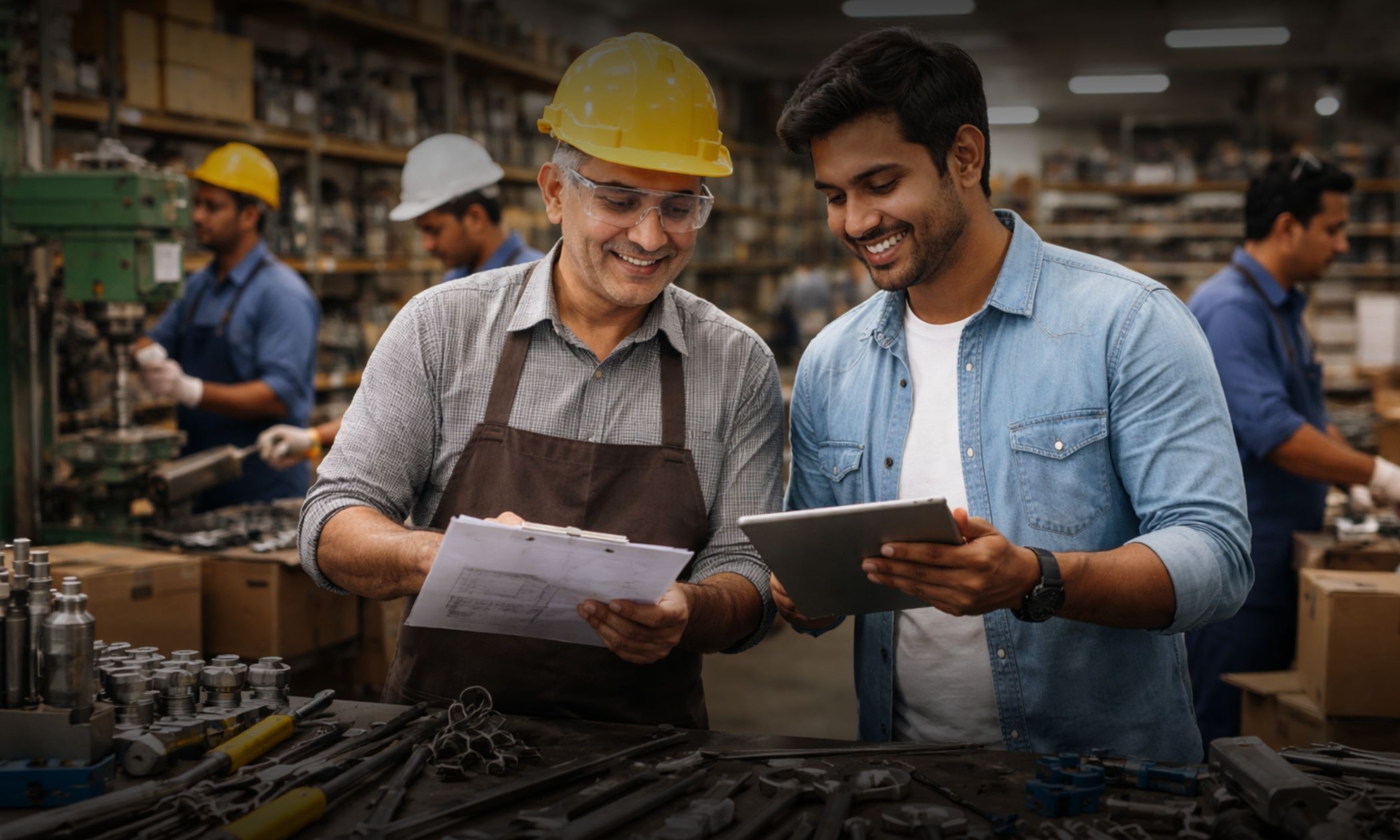
Personal protective equipment plays a critical role across many industries. Construction workers depend on helmets, safety boots, and harness systems. Manufacturing environments require gloves, face shields, and respiratory protection.
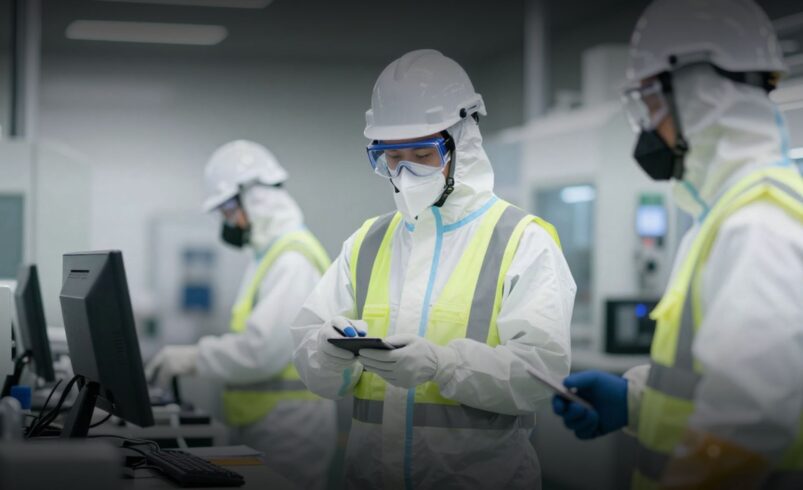
Healthcare professionals rely on protective masks, gowns, and gloves to prevent contamination and infection risks. Even logistics and warehouse operations use protective footwear and visibility jackets to maintain worker safety.
The increasing complexity of industrial operations makes PPE an essential component of modern workplace management.
Reliable Sourcing for Industrial Safety Equipment
Selecting the right PPE requires access to trusted suppliers and certified products. Procurement teams often evaluate quality standards, certifications, and product durability before purchasing safety equipment.
Sourcing industrial safety equipment has become easier with the growth of digital B2B marketplaces that connect businesses with manufacturers and suppliers. Marketplaces like Pepagora provide access to product catalogs, technical specifications, and supplier information, helping buyers review different options before making purchasing decisions.
Sustainability and Innovation in PPE Manufacturing
Manufacturers are increasingly focusing on sustainability and environmentally responsible production methods. Many PPE products now incorporate recyclable materials, biodegradable packaging, and energy efficient manufacturing processes.
Comfort and sustainability are becoming key factors influencing procurement decisions. Industry surveys from 2026 indicate that nearly half of industrial buyers prefer safety equipment produced using environmentally responsible materials.
These innovations help businesses maintain worker protection while also supporting broader environmental goals.
Data Table: Common PPE Equipment and Workplace Usage 2026
PPE Type | Key Protection | Industry Usage (%) |
Safety Helmet | Head protection | 78 |
Protective Gloves | Hand safety | 72 |
Safety Goggles | Eye protection | 65 |
Respiratory Masks | Airborne hazard protection | 58 |
Safety Shoes | Foot protection | 69 |
The Future of Workplace Safety Equipment
Personal protective equipment continues to evolve as industries adopt new safety standards and technologies. Smart safety devices, improved materials, and better ergonomic designs are helping organizations enhance both protection and productivity.
By investing in high quality PPE and responsible sourcing strategies, companies can create safer workplaces and protect their most valuable asset, their workforce.
FAQs
PPE protects workers from hazards that cannot be completely removed through engineering or administrative controls.
Construction, manufacturing, healthcare, oil and gas, and logistics industries widely depend on PPE.
Organizations should consider hazard type, safety certifications, comfort, durability, and compliance with industry standards.
No. PPE is the final protective layer and should be used together with other safety measures.
Digital B2B marketplaces like Pepagora help businesses connect with verified safety equipment manufacturers.

His work focuses on driving operational excellence, strengthening risk management practices, and promoting sustainable safety strategies in modern industries. Sudip actively supports organizations in achieving Goal Zero incidents and progressing toward Net Zero emissions targets. Through his contributions at Pepagora, he aims to share practical insights that help businesses build stronger safety cultures and improve HSE performance through leadership, innovation, and responsible operational practices.