
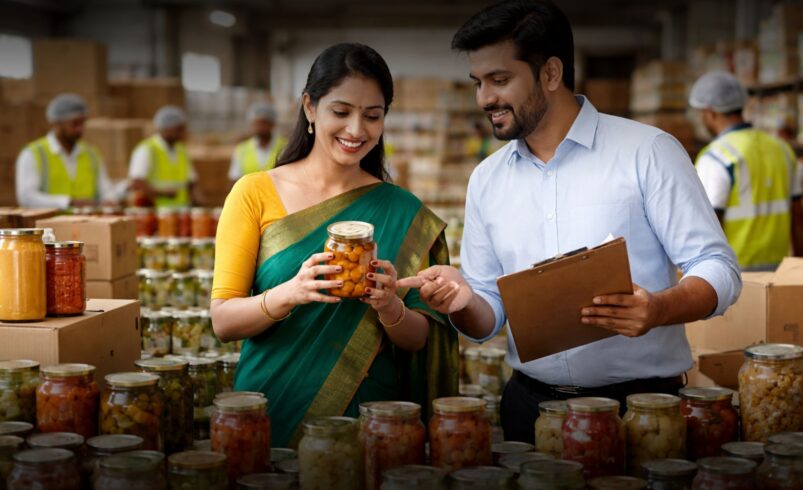

The canned and preserved foods industry in India is gaining strong momentum as consumer lifestyles shift toward convenience, longer shelf life, and ready-to-use food options. From urban households to global export markets, the demand for canned foods and preserved foods is steadily rising.
For businesses, this sector presents a scalable opportunity. With increasing demand from retail, horeca, and international buyers, canned and preserved foods manufacturers, suppliers, and exporters are expanding their reach across domestic and global markets.
This guide provides a comprehensive overview of the industry, product segments, sourcing patterns, export opportunities, and growth strategies.
Industry Overview and Market Dynamics
India’s processed food sector, including canned and preserved products, is one of the fastest-growing segments in the food industry.
Key insights:
India’s food processing industry is expected to grow at 8–10 percent annually
Rising urbanization and busy lifestyles are driving demand for ready-to-eat preserved foods manufacturer products
Export demand for Indian preserved food products is increasing
Growing interest in organic and premium food categories
Buyers often search for canned and preserved foods suppliers or bulk canned and preserved foods supplier for large-scale sourcing.
Major Product Segments in the Industry
The canned and preserved foods sector includes a wide range of products catering to different consumer and industrial needs.
Canned Food Products
Canned foods are widely used due to their long shelf life and ease of storage.
Common products include:
Canned fruits and vegetables
Canned beans and pulses
Canned seafood and meat
Canned ready meals
Bulk buyers typically source from canned foods manufacturers, canned foods suppliers, or bulk canned foods wholesaler.
Preserved Food Products
Preserved foods use various techniques such as dehydration, pickling, freezing, and chemical preservation.
Products include:
Pickles and chutneys
Dried fruits and vegetables
Frozen processed foods
Sauces and condiments
Businesses often connect with preserved foods manufacturers, preserved foods suppliers, and high-quality preserved foods supplier.
Ready-to-Eat and Convenience Foods
This segment is growing rapidly due to changing consumer habits.
Products include:
Ready meals and instant mixes
Packaged curries and gravies
Frozen snacks and appetizers
Buyers frequently search for ready-to-eat preserved foods manufacturer for this category.
Organic and Premium Preserved Foods
Health-conscious consumers are driving demand for organic and premium food products.
Products include:
Organic canned vegetables
Preservative-free packaged foods
Gourmet and specialty food products
Suppliers are often listed as organic canned and preserved foods supplier or premium canned foods exporter.
Key Buyers in the B2B Market
The demand for canned and preserved foods comes from multiple sectors.
Major buyers include:
Supermarkets and retail chains
Hotels, restaurants, and catering businesses
Food processing companies
Export houses and distributors
Institutional buyers
These buyers rely on canned and preserved foods wholesalers and canned foods wholesalers for bulk procurement.
Export Opportunities for Indian Businesses
India is increasingly exporting canned and preserved food products to global markets.
Key export destinations include:
Middle East
Africa
Southeast Asia
Europe and North America (for premium and organic products)
International buyers search for:
Canned and preserved foods exporters
Canned foods exporters
Preserved foods exporters
Indian companies that meet international quality standards can leverage strong export demand.
Role of Packaging and Shelf Life
Packaging plays a crucial role in the success of canned and preserved foods.
Key considerations include:
Airtight and contamination-free packaging
Extended shelf life
Compliance with international food safety standards
Attractive and informative labeling
Advanced packaging helps maintain product quality and improves export readiness.
Role of Digital B2B Platforms
Procurement in the food industry is increasingly moving online.
Buyers search using keywords like:
Canned and preserved foods suppliers
Bulk canned foods
Canned foods manufacturers
Preserved foods suppliers
Digital B2B platforms enable businesses to:
Discover verified suppliers
Compare product offerings
Send bulk inquiries
Build long-term sourcing relationships
For suppliers, being visible under canned and preserved foods exporters or canned foods wholesalers improves inquiry flow and global reach.
Industry Trends Driving Growth
Rising Demand for Convenience Foods — Busy lifestyles are increasing demand for ready-to-eat and easy-to-store food products.
Growth of Organized Retail — Supermarkets and online grocery platforms are expanding the reach of canned and preserved foods.
Health and Wellness Trends — Consumers are increasingly looking for:
Low preservative products
Organic food options
Clean-label products
Export-Led Growth — Indian preserved foods are gaining popularity in international markets due to competitive pricing and diverse offerings.
Challenges in the Industry
Despite strong growth potential, businesses face several challenges.
Quality and Safety Compliance — Strict adherence to food safety standards is essential for both domestic and export markets.
Competition and Pricing Pressure — The market is competitive, especially in standard product categories.
Supply Chain Management — Maintaining consistency in raw material supply and production is critical.
Shelf Life Management — Ensuring product freshness over time requires proper storage and logistics.
Growth Strategies for Businesses
Companies in the canned and preserved foods sector can adopt several strategies for growth.
Focus on Quality and Certification — Certifications help build trust with buyers and improve export opportunities.
Expand Product Range — Offering diverse products helps cater to different market segments.
Strengthen Digital Presence — Businesses listed under canned foods suppliers or preserved foods exporters can attract global buyers.
Invest in Packaging Innovation — Better packaging enhances product appeal and shelf life.
Target Export Markets — Expanding into international markets increases revenue and scalability.
Future Outlook of the Industry
The future of India’s canned and preserved foods industry looks strong, supported by changing consumption patterns and global demand.
Key growth drivers include:
Increasing urbanization
Rising demand for convenience foods
Expansion of export markets
Growth of food processing infrastructure
India is well-positioned to become a major global supplier of canned foods and preserved foods.
Conclusion
The canned and preserved foods industry offers strong B2B opportunities across manufacturing, supply, and export segments. With rising demand, evolving consumer preferences, and expanding global markets, businesses in this sector have significant growth potential.
Companies that focus on quality, compliance, innovation, and digital visibility will be best positioned to succeed in this competitive landscape.
If you are looking for business opportunities in canned and preserved foods industry, register on www.Pepagora.com
