
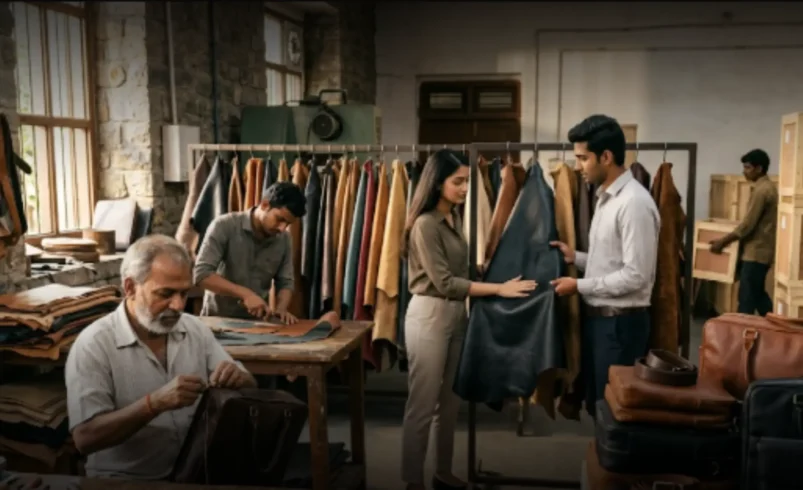

The global leather industry continues to remain one of the most important sectors supporting fashion, footwear, automotive, furniture, industrial safety products, and export manufacturing. In 2026, rising demand for durable industrial materials, premium lifestyle products, and export-quality leather goods is creating strong opportunities for leather manufacturers, leather suppliers, leather wholesalers, and leather exporters across international markets.
From leather hides and bulk leather trading to tanned leather manufacturing and industrial leather products, the sector is witnessing major transformation driven by sustainability demands, export expansion, and technological modernization.
Countries with strong raw material availability and manufacturing infrastructure are increasingly becoming important players in the global leather supply chain.
Growing Importance of Leather Hides in Global Manufacturing
Leather hides remain the foundation of the leather processing industry. Raw hides are processed into multiple commercial and industrial applications serving diverse sectors worldwide.
Raw hides suppliers today cater to industries such as:
Footwear manufacturing
Automotive interiors
Furniture production
Fashion accessories
Industrial gloves and safety gear
Luxury goods manufacturing
The increasing demand for high-quality finished leather products is directly supporting growth among raw hides manufacturers and raw hides exporters globally.
Bulk Leather Trade Is Expanding Rapidly
The international trade of bulk leather continues to rise due to increasing production requirements from manufacturers and exporters.
Businesses are increasingly searching for:
Bulk leather suppliers
Leather wholesalers
Bulk raw hides exporters
Premium leather suppliers
Large-scale buyers prefer suppliers capable of delivering:
Consistent material quality
Bulk supply capacity
Timely shipments
Export documentation support
Competitive pricing structures
Bulk procurement remains highly important for manufacturers handling export-oriented production.
Industrial Leather Products Are Seeing Strong Demand
Industrial leather products continue expanding beyond traditional fashion applications.
Modern industries now use leather materials for:
Industrial belts
Protective equipment
Machine accessories
Automotive applications
Upholstery systems
Heavy-duty safety products
Industrial leather products are valued for:
Durability
Flexibility
Heat resistance
Long operational life
This has created additional opportunities for leather manufacturers supplying specialized industrial-grade leather materials.
Tanned Leather Market Continues to Grow
Tanned leather manufacturers play a central role in transforming raw hides into commercially usable products.
Tanning improves:
Strength
Durability
Texture
Flexibility
Product lifespan
Global demand for high-quality tanned leather suppliers is rising in sectors such as:
Luxury fashion
Footwear
Furniture
Automotive interiors
Export-quality accessories
Businesses capable of maintaining international quality standards are securing stronger long-term buyer relationships.
Sustainability Is Reshaping the Leather Industry
Environmental concerns are becoming increasingly important in global leather trade.
International buyers now expect:
Responsible sourcing
Eco-friendly processing
Wastewater treatment systems
Reduced chemical usage
Sustainable tanning practices
Organic leather wholesalers and environmentally compliant leather exporters are gaining stronger acceptance in global markets.
Many leather processing companies are investing heavily in:
Cleaner tanning technologies
Water recycling systems
Eco-certified production facilities
Sustainable chemical alternatives
Sustainability has become both a compliance requirement and a competitive advantage. To understand why sustainable sourcing is becoming the new industry standard across global markets, read Why Sustainable Sourcing is the New Industry Standard?
India Remains a Major Global Leather Exporter
India continues to hold a strong position in the global leather industry.
The country exports:
Leather hides
Tanned leather
Finished leather products
Footwear materials
Industrial leather components
Indian leather exporters benefit from:
Large raw material availability
Skilled labor force
Competitive manufacturing costs
Established export infrastructure
Several Indian leather manufacturers are also moving toward value-added finished products instead of depending entirely on raw material exports.
Export Opportunities Are Expanding in 2026
Global leather demand continues growing across Europe, the Middle East, Southeast Asia, and North America.
Export-oriented businesses are witnessing increasing opportunities in:
Premium leather goods
Automotive leather
Upholstery materials
Industrial leather applications
International buyers are actively searching for:
High-quality tanned leather suppliers
Reliable leather exporters
Bulk raw hides exporters
Premium leather suppliers
Consistency and compliance are becoming critical differentiators in export markets.
Technology Is Modernizing Leather Manufacturing
Modern leather manufacturers are increasingly adopting advanced technologies to improve efficiency and product quality.
Key technological upgrades include:
Automated cutting systems
Digital quality inspection
AI-based defect detection
Water-efficient tanning systems
ERP-based inventory management
Technology adoption is helping businesses reduce:
Material wastage
Processing errors
Production delays
Operational costs
Digitization is gradually transforming the leather manufacturing ecosystem.
Challenges Facing the Leather Industry
Despite strong demand, the leather sector faces several operational and market-related challenges.
Environmental Regulations — Leather processing industries face strict environmental compliance requirements globally.
Raw Material Price Fluctuation — Variations in livestock availability and global trade conditions impact pricing.
International Compliance Standards — Export markets increasingly demand certifications and traceability systems.
Competition from Synthetic Alternatives — Artificial leather products continue gaining market share in some segments.
To remain competitive, businesses must improve product quality, sustainability, and operational efficiency.
What Buyers Expect from Leather Suppliers in 2026
Global buyers today prioritize more than pricing alone.
They increasingly seek:
High-quality leather suppliers
Consistent tanning quality
Bulk supply capability
Export readiness
Sustainable sourcing practices
Reliable logistics support
A premium leather supplier capable of maintaining long-term consistency gains stronger buyer trust and repeat business opportunities.
Rise of Value-Added Leather Products
The leather industry is gradually moving toward higher-value finished products instead of only raw hide exports.
Growing segments include:
Designer leather accessories
Automotive leather systems
Premium upholstery
Safety equipment
Industrial leather products
This shift improves:
Profit margins
Brand positioning
Export competitiveness
Business sustainability
Future Outlook for the Leather Industry
Industry analysts expect steady growth in the global leather market over the next decade.
Major growth drivers include:
Rising footwear demand
Luxury product expansion
Automotive interior demand
Furniture sector growth
Industrial safety applications
Leather manufacturers and exporters investing in sustainability, automation, and premium product quality are expected to gain the strongest market advantage.
Final Thoughts
The leather industry continues to remain a major contributor to global manufacturing, exports, fashion, and industrial production. Rising international demand for leather hides, tanned leather, and industrial leather products is creating substantial opportunities for suppliers, wholesalers, manufacturers, and exporters worldwide.
From raw hides suppliers and tanned leather manufacturers to premium leather exporters and organic leather wholesalers, businesses across the leather supply chain are adapting to changing market expectations.
In 2026, success in the leather industry will depend not only on production capacity but also on sustainability compliance, quality consistency, export readiness, and technological modernization.
