
Safety is not just a compliance requirement in industrial settings; it is a fundamental responsibility that directly impacts workforce well-being and operational continuity. Industries today operate in complex environments where risks cannot be eliminated entirely, but they can certainly be managed and minimized through the right systems and tools.
Safety products, whether on roads or in industrial environments play a vital role in protecting lives. They help prevent incidents through warnings, guidance, and protective barriers, and when accidents do occur, they reduce the severity of impact and consequences.
While we all strive for an ideal, risk-free environment, humans are human and mistakes can happen. That is why barriers and safety systems are so important to absorb errors and prevent them from turning into tragedies. In the end, these silent protectors ensure that “people return home safely to their families”.
Growing Industrial Activity and Safety Demand
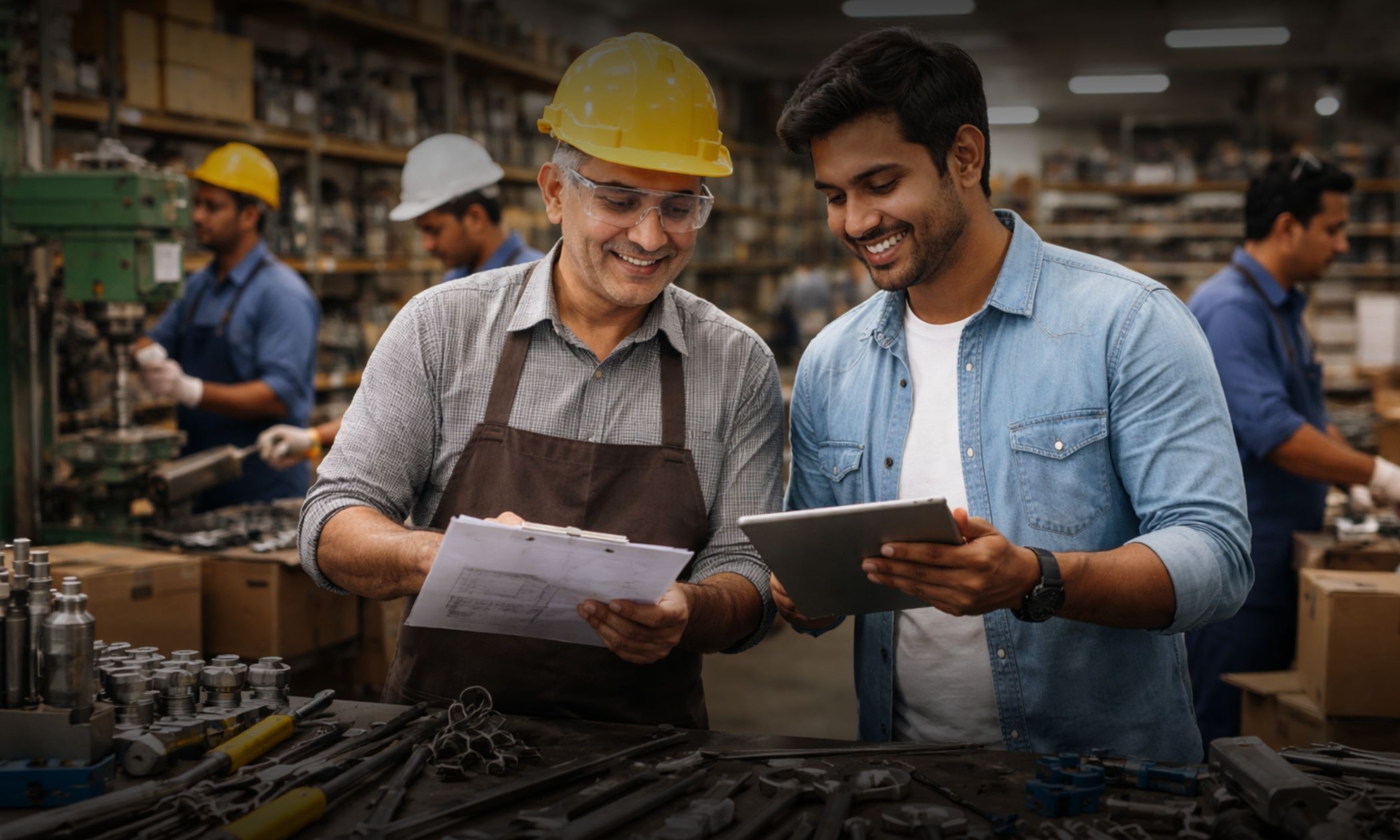
As industrial production scales up, the need for effective safety solutions becomes even more critical. According to official data, the manufacturing sector has shown strong momentum, with basic metals output increasing by 12.3% and electrical equipment production rising by 28.7%. This growth highlights the expanding industrial base, where ensuring safety alongside productivity is becoming a key priority.
Key Categories of Safety Tools and Equipment
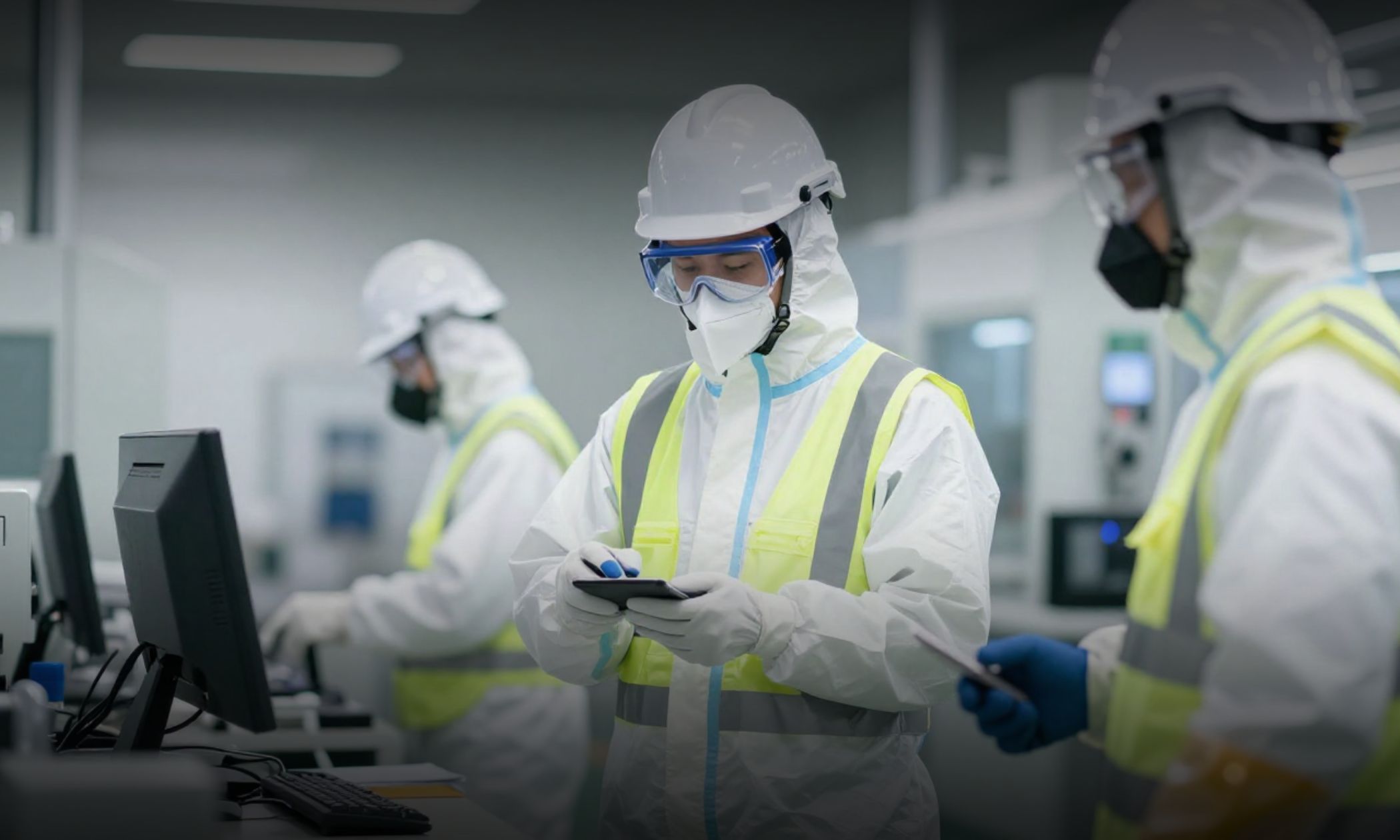
Industrial safety relies on a combination of protective gear, monitoring systems, and preventive tools. Each category plays a distinct role in reducing risks and maintaining safe operations.
Category | Application | Benefit |
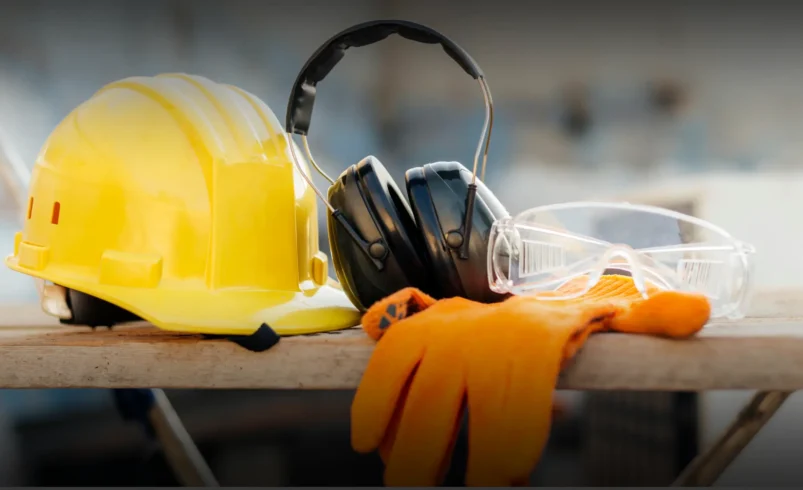
Personal Protective Equipment (PPE) | Helmets, gloves, goggles | Protects workers from direct hazards |
Safety Barriers & Guards | Machine guards, railings | Prevents accidental contact |
Detection Systems | Gas detectors, alarms | Early hazard identification |
Fire Safety Equipment | Extinguishers, suppression systems | Controls fire-related risks |
Road & Site Safety Tools | Signages, cones | Improves movement safety |
These tools collectively form a safety ecosystem that ensures protection at multiple levels within an industrial setup.
Building Reliable Supplier Networks
Access to high-quality safety equipment is essential for maintaining workplace standards. Businesses are increasingly working with trusted Safety Tools & Protective Equipment Suppliers to ensure that all products meet regulatory and durability requirements. Reliable suppliers not only provide certified products but also help in maintaining consistency across operations.
Digital Platforms Transforming Procurement
Procurement of safety tools has evolved with the adoption of digital platforms. Companies now prefer sourcing through an Ai powered B2B Marketplace that allows them to compare products, evaluate suppliers, and make informed decisions efficiently. This approach reduces procurement time and improves transparency in supplier selection.
Learning from Adjacent Industrial Segments
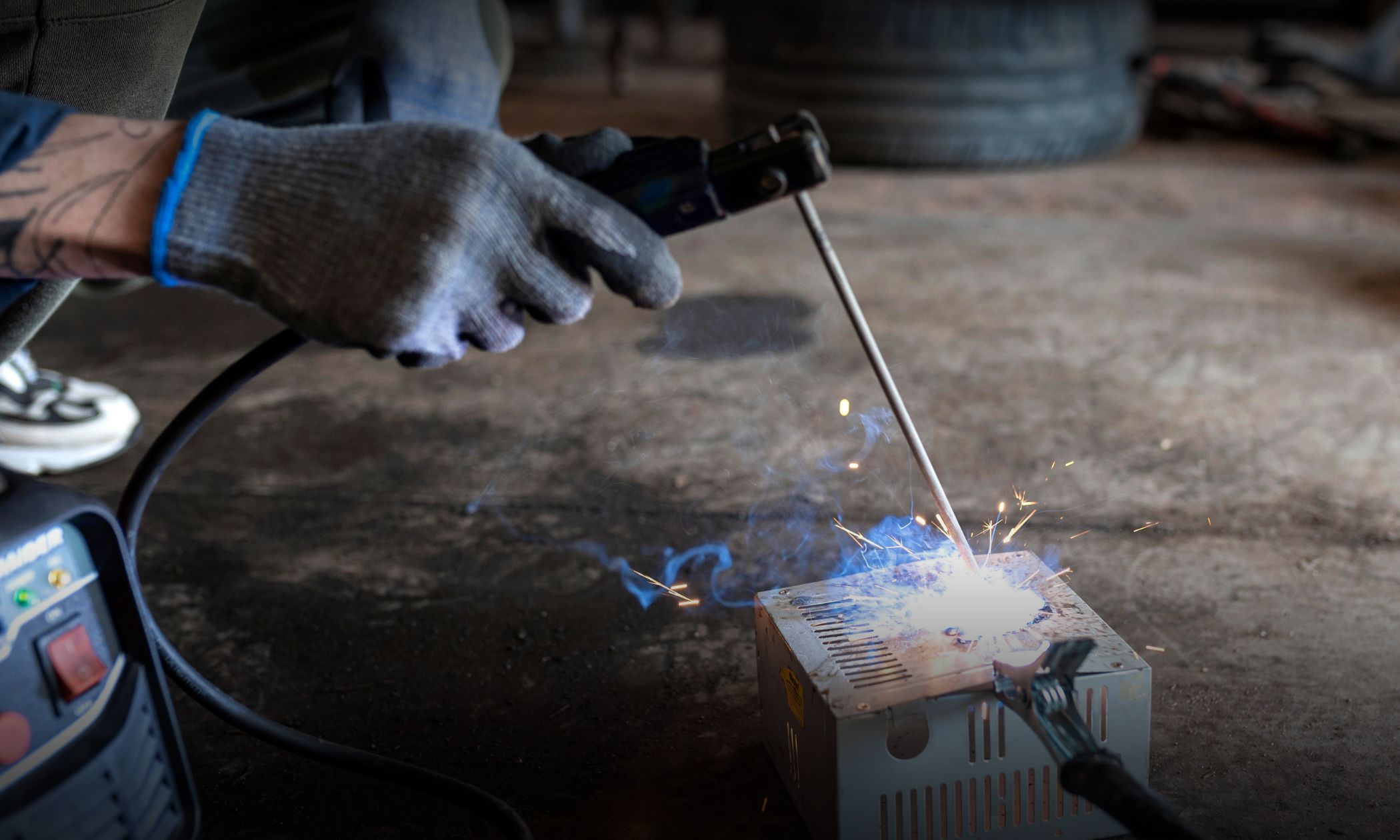
Safety considerations are closely linked with manufacturing processes and equipment usage. Understanding how machinery operates and the risks associated with fabrication and production environments is equally important. Insights from resources like Top 8 Metal Fabrication Machine Makers in India 2026 help businesses align their safety strategies with operational requirements and equipment standards.
Practical Approaches to Strengthening Workplace Safety
Organizations looking to enhance safety performance should focus on structured approaches that go beyond compliance:
- Risk Assessment – Identify potential hazards in each operational area
- Employee Training – Ensure workers understand safety protocols
- Equipment Maintenance – Regularly inspect and maintain safety tools
- Standardization – Use certified and approved safety products
- Continuous Monitoring – Implement systems for real-time risk detection
These practices help organizations build a proactive safety culture rather than a reactive one.
The Business Impact of Safety Investments
Investing in safety tools is not just about compliance; it directly influences productivity and operational efficiency. Reduced downtime, fewer accidents, and improved workforce confidence contribute to overall business performance. Companies that prioritize safety often experience better long-term sustainability and reputation in the industry.
In an environment where industrial growth is accelerating, safety systems act as a stabilizing force. They ensure that expansion does not come at the cost of human well-being and operational risks remain controlled. Organizations that integrate safety into their core strategy are better equipped to handle uncertainties while maintaining consistent performance.
FAQs
They are equipment and systems designed to prevent accidents and protect workers from hazards.
It minimizes injury risks and ensures safe working conditions.
By implementing risk assessments, training programs, and using certified safety equipment.
They provide reliable and compliant products that meet industry standards.
They simplify supplier discovery, comparison, and procurement processes.

His contributions highlight practical insights on workplace and operational safety, reflecting his role in leading group-level safety initiatives, along with his passion for road safety and promoting safer practices across environments.