
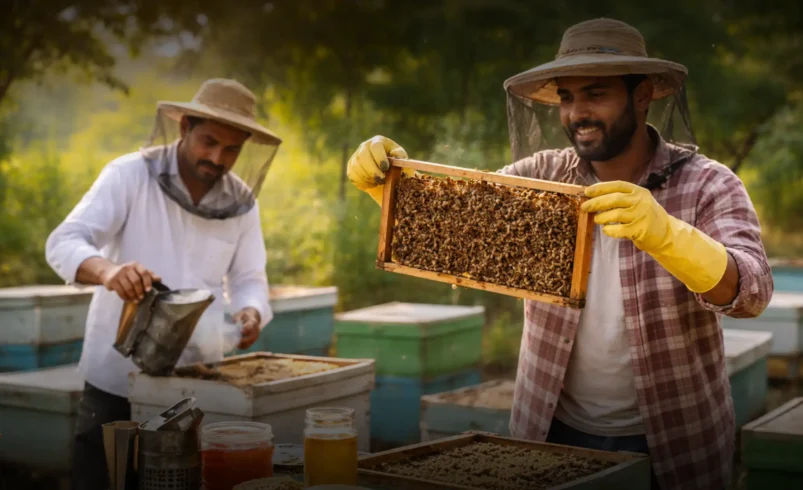

Beekeeping is no longer limited to small-scale honey collection. It has evolved into a structured agricultural business with strong global demand for honey, beeswax, royal jelly, and pollination services. As commercial apiaries expand, the need for reliable beekeeping supplies and advanced honey farming equipment has increased significantly.
For B2B buyers, sourcing the right apiary equipment is critical. It impacts honey yield, colony health, operational efficiency, and overall profitability. With the global honey market expected to grow steadily, businesses that invest in quality equipment and strong supplier networks are better positioned to scale.
Understanding the Scope of Beekeeping Supplies and Equipment
Beekeeping supplies include a wide range of tools and systems used for hive management, honey extraction, and colony maintenance. Modern honey farming equipment is designed to improve productivity while ensuring minimal disturbance to bee colonies.
Key categories include:
Beehives and hive components
Protective clothing and safety gear
Smokers and hive tools
Honey extractors and processing units
Feeding and colony management systems
For buyers, selecting the right bulk beekeeping tools depends on the scale of operations and the type of honey production system being used.
Why Bulk Procurement is Essential for Commercial Apiaries
Large-scale beekeeping operations and distributors prefer sourcing from a bulk beekeeping supplier to maintain consistency and reduce costs. Bulk procurement ensures uniformity across apiary setups and simplifies operational management.
Advantages of sourcing in bulk include:
Lower cost per unit
Consistent product specifications
Easier inventory management
Reduced logistics cost per shipment
Improved margins for wholesalers and distributors
Working with a bulk apiary tools wholesaler also helps maintain stock availability during peak honey production seasons.
Role of Manufacturers in Equipment Quality and Innovation
Beekeeping supplies manufacturers play a key role in ensuring durability, safety, and efficiency. Buyers who engage directly with honey farm equipment manufacturers often benefit from better pricing, customization, and technical support.
Leading apiary equipment manufacturers focus on:
High-quality materials that withstand outdoor conditions
Designs that support bee health and productivity
Efficient honey extraction systems
Ease of use and maintenance
Manufacturers are also introducing modern extraction technologies and improved hive designs to increase yield and reduce labor effort.
Selecting the Right Suppliers for Long Term Partnerships
Choosing reliable beekeeping supplies suppliers is essential for maintaining operational consistency. A dependable supplier ensures timely delivery, quality assurance, and access to replacement components.
Key evaluation criteria include:
Production capacity and scalability
Quality certifications and material standards
Availability of spare parts
Technical support and guidance
Export experience and logistics capability
Honey farm equipment suppliers with strong supply chains are better equipped to meet large and recurring demands.
Importance of Wholesalers and Exporters in Distribution
Beekeeping supplies wholesalers play a critical role in distributing equipment across regions, especially where direct manufacturer access is limited. They help ensure availability and timely supply.
On the global front, beekeeping supplies exporters handle international logistics, regulatory compliance, and documentation. Partnering with experienced honey farm equipment exporters or apiary equipment exporters simplifies cross-border sourcing.
Benefits include:
Efficient handling of bulk shipments
Knowledge of international trade regulations
Reduced risk of delays
Smooth customs clearance processes
Growing Demand for Organic and Premium Beekeeping Solutions
With rising awareness around organic products, there is increasing demand for sustainable beekeeping practices. An organic beekeeping supplies supplier typically offers equipment designed to support chemical-free and environmentally friendly operations.
Products in this segment include:
Natural wood-based hives
Chemical-free hive treatments
Eco-friendly protective gear
Sustainable honey extraction systems
For premium markets, sourcing from a premium honey farm equipment exporter helps position products at higher value segments, especially in export-oriented businesses.
Evaluating Equipment Quality and Performance
Quality plays a crucial role in beekeeping operations. Equipment must support colony health while ensuring efficient honey extraction.
Key quality indicators include:
Durability and weather resistance
Ease of handling and operation
Safety for both bees and handlers
Efficiency in honey extraction
Availability of replacement parts
Working with a high-quality beekeeping equipment supplier ensures consistent performance and long term reliability.
Logistics and Storage Considerations
Beekeeping equipment requires careful handling during transportation to prevent damage. Proper logistics planning ensures timely delivery and cost efficiency.
Important considerations include:
Secure packaging for fragile components
Efficient transportation planning
Storage conditions to prevent material degradation
Inventory management for seasonal demand
Experienced beekeeping supplies exporters typically follow strict logistics protocols to maintain product integrity.
Pricing Factors in B2B Procurement
Pricing in the beekeeping equipment sector depends on material quality, manufacturing processes, order volume, and logistics costs.
Buyers should consider:
Total cost including shipping and handling
Long term durability and maintenance costs
Payment terms and credit options
Bulk order discounts
Direct engagement with beekeeping supplies wholesalers or manufacturers often leads to better pricing and service support.
Building Long Term Supplier Relationships
Sustainable growth in the beekeeping industry depends on strong supplier relationships. Reliable partnerships ensure consistent quality and uninterrupted supply.
Best practices include:
Clear communication of requirements
Regular feedback and performance reviews
Timely payments
Collaborative planning for expansion
Strong relationships often result in priority service and better commercial terms.
Emerging Trends in Beekeeping Equipment
The beekeeping industry is evolving with advancements in technology and increasing focus on sustainability.
Key trends include:
Improved hive designs for better colony management
Automation in honey extraction processes
Growth in organic and chemical-free beekeeping
Increased demand for export-quality honey production
Apiary equipment suppliers and manufacturers are adapting to these trends by offering more efficient and sustainable solutions.
Final Thoughts
The demand for beekeeping supplies and honey farming equipment is growing as commercial apiaries expand globally. For B2B buyers, success depends on sourcing from reliable partners and adopting a structured procurement approach.
Whether working with beekeeping supplies manufacturers, engaging a bulk beekeeping supplier, or partnering with apiary equipment exporters, each decision directly impacts operational efficiency and profitability.
A well-planned sourcing strategy combined with strong supplier relationships and quality evaluation can help businesses build a scalable and successful beekeeping operation.
