
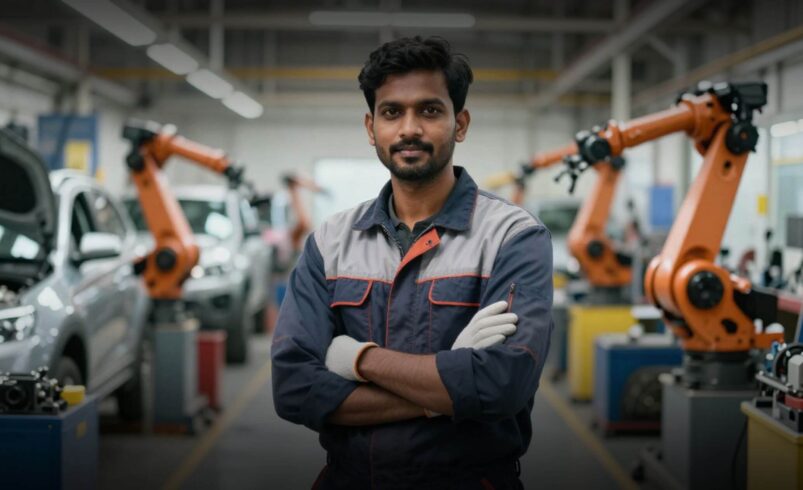

India’s automotive industry is one of the largest and most dynamic manufacturing sectors in the country. It supports millions of jobs, contributes significantly to exports, and creates strong demand for a wide range of industrial products, components, and services.
From passenger vehicles and commercial trucks to two wheelers, electric vehicles, and heavy auto components, the sector has built an extensive ecosystem of automotive manufacturers India, auto parts suppliers India, and automotive component exporters India.
For businesses operating in manufacturing, engineering, logistics, or raw material supply, understanding how this industry functions can open up large B2B opportunities.
Overview of the Indian Automotive Industry
India is currently one of the world’s largest vehicle producers. The country ranks among the top producers of two wheelers, passenger cars, tractors, and commercial vehicles.
Some key industry highlights include:
• India produces more than 25 million vehicles annually across different segments
• The automotive sector contributes around 7% to India’s GDP
• The industry accounts for about 35% of the country’s manufacturing GDP
• India is a major global hub for automotive component manufacturing
The ecosystem includes automobile manufacturers India, component manufacturers, engineering service providers, raw material suppliers, and export companies.
Major Segments of the Automotive Industry
The automotive sector is not a single market. It consists of several interconnected segments that create opportunities for different types of B2B businesses.
Passenger Vehicles
Passenger vehicles include cars, SUVs, and utility vehicles manufactured by large automotive companies.
These vehicles rely on a complex supply chain that includes:
• automotive components suppliers India
• automotive parts manufacturers India
• electronics and sensor suppliers
• metal component manufacturers
Passenger vehicles account for a large portion of demand for precision engineering components.
Two Wheeler Industry
India is the largest producer of two wheelers in the world. Motorcycles and scooters are widely used for personal transportation, especially in urban and semi urban areas.
This segment creates demand for:
• engine components
• metal parts and casting components
• electrical wiring systems
• rubber and plastic parts
Companies searching for motorcycle parts suppliers India often source products from specialized component manufacturers.
Commercial Vehicles
Commercial vehicles include trucks, buses, and transport vehicles used for logistics and infrastructure development.
The growth of e commerce, construction projects, and road transport has increased demand for commercial vehicle parts manufacturers India.
Suppliers serving this segment often provide:
• heavy duty engine components
• suspension systems
• braking systems
• transmission assemblies
Electric Vehicles
Electric vehicles are one of the fastest growing segments in the automotive sector.
The EV ecosystem is creating new opportunities for:
• electric vehicle component manufacturers India
• battery manufacturers
• charging infrastructure providers
• power electronics suppliers
Government incentives and environmental regulations are accelerating EV adoption.
Automotive Component Manufacturing in India
India has developed a strong base of automotive components manufacturers India supplying both domestic vehicle makers and international automobile companies.
The industry produces a wide variety of components including:
• engine and transmission parts
• steering and suspension systems
• braking components
• electrical and electronic systems
• body and chassis parts
Many global automobile companies source parts from automotive component exporters India due to competitive pricing and strong engineering capabilities.
Export Opportunities in the Automotive Sector
India is a major exporter of automotive components and vehicles. Indian companies export to markets across Asia, Europe, Africa, and the Middle East.
Some of the major export categories include:
• engine components
• braking systems
• transmission systems
• automotive electrical systems
• forged and cast metal parts
International buyers often search online for auto parts exporters India or automotive components suppliers India when sourcing reliable manufacturing partners.
For Indian manufacturers, exports represent a major growth opportunity in the coming years.
Supply Chain Structure of the Automotive Industry
The automotive industry operates through a tiered supplier system.
Tier 1 Suppliers
These companies supply complete systems directly to vehicle manufacturers.
Examples include:
• braking systems
• steering assemblies
• engine systems
Tier 2 Suppliers
Tier 2 suppliers provide individual components that are used by Tier 1 manufacturers.
Tier 3 Suppliers
These companies supply raw materials and basic industrial components such as steel, plastics, rubber, and electronic components.
This multi layered structure creates business opportunities for automotive suppliers India at various levels of the supply chain.
Role of Digital B2B Platforms in Automotive Procurement
The way companies source automotive components has changed significantly.
Procurement teams now frequently search online using terms like:
• auto parts suppliers India
• automotive components manufacturers India
• automotive parts exporters India
• bulk automotive components suppliers
Digital B2B platforms help buyers compare suppliers, review product specifications, and establish direct business connections.
For manufacturers and suppliers, maintaining an online presence improves visibility among global buyers searching for reliable sourcing partners.
Challenges Faced by Automotive Industry Businesses
Despite its growth, the automotive industry faces several operational and market challenges.
Raw Material Price Fluctuations
Steel, aluminum, and other raw materials play a major role in vehicle production. Price fluctuations can affect manufacturing costs.
Supply Chain Disruptions
Global supply chain issues, especially in semiconductor availability, can disrupt vehicle production.
Technological Transformation
The transition toward electric vehicles and smart vehicles requires continuous innovation and investment.
Strict Quality Standards
Automotive components must meet rigorous quality and safety standards before being accepted by manufacturers.
Companies must invest in quality control systems to maintain credibility in the market.
Strategies for Automotive Businesses to Grow
Businesses operating in the automotive supply chain can strengthen their market position through several strategies.
Focus on Quality Manufacturing
Consistent product quality helps suppliers build long term relationships with automobile manufacturers.
Expand Export Capabilities
Companies that develop strong export networks can access high value global markets.
Invest in Automation and Technology
Modern manufacturing technologies improve production efficiency and product precision.
Strengthen Digital Visibility
Businesses that maintain detailed online catalogs and supplier profiles can attract buyers searching for automotive components suppliers India or auto parts manufacturers India.
Future Outlook for the Indian Automotive Industry
The future of India’s automotive industry remains highly promising. Several factors are expected to drive long term growth.
Key growth drivers include:
• expansion of electric vehicle manufacturing
• increasing vehicle ownership in emerging markets
• growth of logistics and transport sectors
• rising global demand for automotive components
India is steadily strengthening its position as a global manufacturing hub for automotive parts and engineering products.
For manufacturers, suppliers, exporters, and industrial service providers, the automotive sector will continue to offer significant B2B opportunities in the coming decade.
